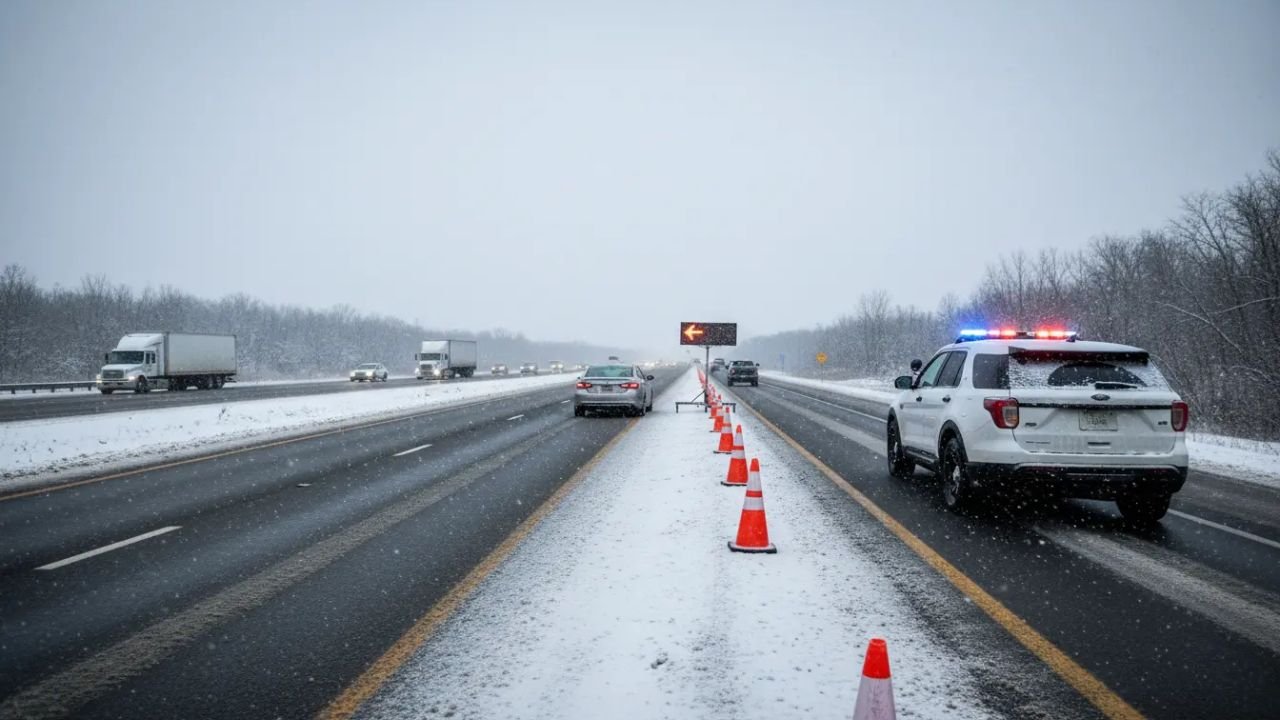
Starting this year, all 50 states have adopted updated driving enforcement rules that clarify when drivers can face jail time or fines up to $1,500. The changes aim to reduce confusion, target serious safety violations, and make penalties more consistent nationwide.
Here’s a practical guide to understanding the new law and how to stay compliant.
Key Points of the 2026 Driving Law
- The law sets federal guidance that many states use to standardize penalties.
- Jail time is reserved for high-risk or repeat offenses.
- Fines up to $1,500 apply to serious, non-incarceration violations.
- Local courts and prosecutors still have discretion based on circumstances.
Offenses That Can Lead to Jail Time
Jail is typically reserved for drivers whose actions seriously endanger others. Common triggers include:
- Driving under the influence with a high blood alcohol level.
- Causing injury or death while committing a traffic offense.
- Repeated reckless driving after prior convictions.
States may have slightly different thresholds, but intent to harm, substantial impairment, and repeated dangerous conduct are common factors.
When $1,500 Fines Apply
Fines target serious violations where incarceration isn’t typical. Examples include:
- Excessive speed in work or school zones.
- Using a handheld phone while driving in restricted areas.
- Ignoring safety warnings or traffic orders after prior citations.
Courts may combine fines with license points, mandatory traffic courses, or probation.
Common Scenarios
| Violation | Potential Penalty | Notes |
|---|---|---|
| DUI causing injury | Jail + fine | Severity of injury affects sentence |
| Repeat reckless driving | Jail possible | Within specific time frame |
| High-speed in work zone | Up to $1,500 | Workers present increases fine |
| Handheld device in commercial vehicle | Fine + license action | Varies by state |
How the Law Is Applied
- Prosecutors decide charges based on evidence and public safety priorities.
- Some states enforce mandatory minimums, while others allow judicial discretion.
- Judges consider prior records, harm caused, and mitigating circumstances like emergencies.
Tips to Avoid Jail Time or Fines
- Always follow traffic laws and posted speed limits.
- Avoid driving under the influence or while distracted.
- Use hands-free devices or pull over to use your phone.
- Clear any outstanding tickets or license holds.
- Consider defensive driving or traffic school when eligible.
Steps If You Face Charges
- Read your citation carefully for deadlines and instructions.
- Consult an experienced traffic or criminal attorney.
- Explore options like traffic school, probation, or negotiated pleas to reduce penalties.
Example: A delivery driver in Ohio received a $1,500 fine for speeding in a construction zone with a prior ticket. By completing a defensive driving program and working with an attorney, the fine was reduced and community service added instead of full payment.
FAQs
Q1: Does this law apply in all states exactly the same?
A: No, states adopt federal guidance but maintain discretion in enforcement and sentencing.
Q2: Can a minor offense ever lead to jail?
A: Typically no. Jail is reserved for high-risk or repeat violations.
Q3: Are fines always $1,500?
A: No, courts may reduce fines based on the driver’s record and mitigating circumstances.
Q4: How can I prevent penalties?
A: Obey traffic laws, avoid distractions and impaired driving, and handle prior tickets promptly.
Q5: Can I take traffic school to reduce fines?
A: Yes, many states allow defensive driving programs to reduce fines or points.
Conclusion
The 2026 driving law simplifies penalties and emphasizes road safety. Staying informed, driving responsibly, and acting quickly if cited are the best ways to avoid jail time or $1,500 fines. Review your state’s rules regularly and make safety a priority every time you get behind the wheel.