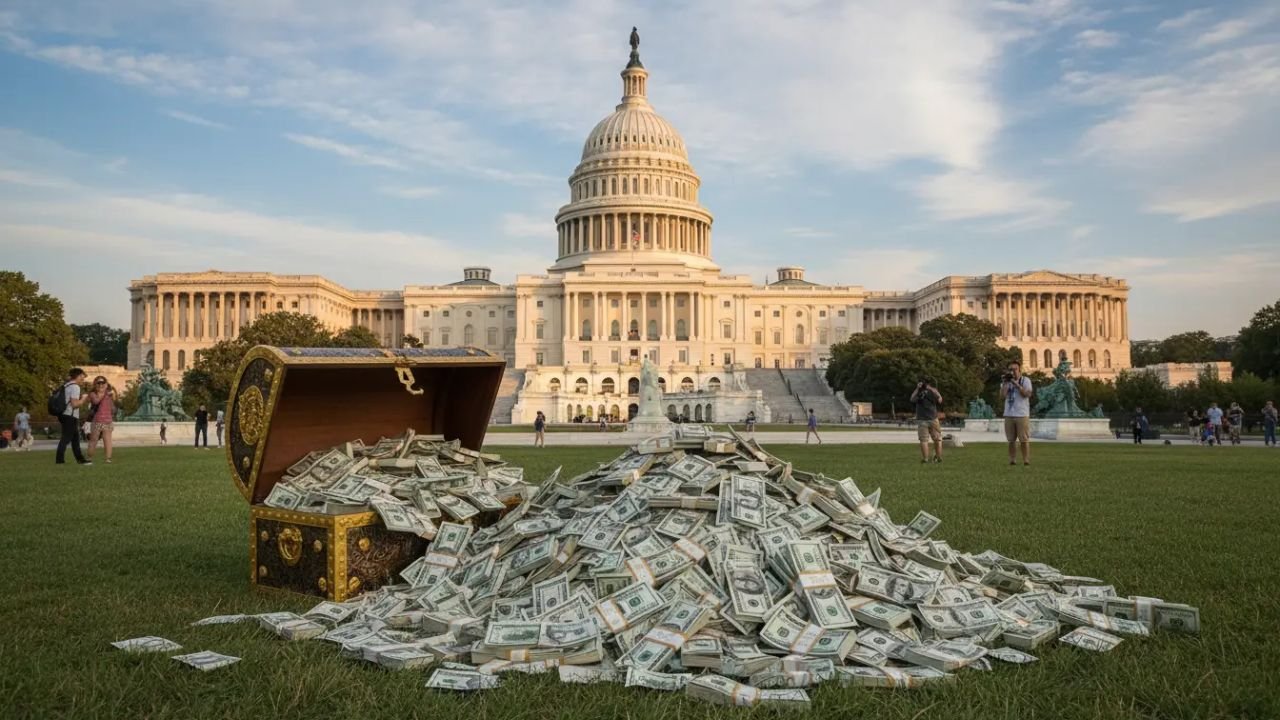
In 2026, a proposed $2,000 stimulus payment is under discussion, aimed at providing immediate financial relief to eligible households. At the same time, former President Trump’s tariff proposals may affect prices and government revenue, creating a direct link between trade policy and the real value of the payment. Here’s what you need to know to understand the potential impacts.
What the $2,000 Stimulus Covers
- One-time direct payment for eligible adults.
- Eligibility likely based on income limits, tax filing status, and dependent claims.
- Purpose: boost short-term household spending and provide financial relief.
- Key concern: inflation or rising consumer prices may offset benefits.
Timing and Eligibility
- Payments may align with the fiscal year or trigger events like economic slowdowns.
- Discussions suggest phase-outs for higher-income earners to target lower- and middle-income households.
- Households receiving Social Security, veterans’ benefits, or filing taxes below income thresholds are likely first in line.
How Trump’s Tariff Plan Affects the Stimulus
Trump’s tariff proposals aim to protect domestic industries and raise federal revenue. While tariffs could help fund stimulus payments, they also influence household costs.
- Higher import prices: Tariffs increase retail costs for goods, reducing real purchasing power.
- Supply chain shifts: Businesses may relocate production, affecting availability and prices.
- Trade retaliation: Foreign tariffs could affect exports, jobs, and wages.
Real Impact on Households
Tariffs act like a regressive consumption tax, affecting families spending more on imported goods. For example:
- A $2,000 payment might be partially offset if tariffs raise grocery, clothing, or electronics costs by 4–6%.
- Low- and middle-income households feel the biggest pinch, potentially eroding stimulus benefits.
Policy Options and Tradeoffs
Policymakers may combine a $2,000 payment with:
- Targeted tax credits to protect vulnerable households.
- Temporary or selective tariffs with clear review timelines.
- Food assistance or refundable credits to offset inflationary effects.
Trade-offs include balancing revenue generation, protecting domestic industries, and limiting price increases for consumers.
Practical Steps for Households
- Budget planning: Prioritize essentials and emergency savings to maximize the benefit of a one-time payment.
- Compare prices: Seek local alternatives or substitutes for goods affected by tariffs.
- Debt reduction: Consider using the payment to pay down high-interest debt or save for unexpected expenses.
Real-World Example
A family of four with median income receives a $2,000 stimulus. Tariffs increase grocery and clothing costs by 5%, reducing their discretionary benefit by $1,000–$1,500. Strategic planning, such as shopping locally or using the payment for debt reduction, can preserve value.
FAQs
Q1: Who qualifies for the 2026 $2,000 stimulus?
A1: Likely low- and middle-income adults below income thresholds, with phase-outs for higher earners.
Q2: Will tariffs reduce the benefit of the payment?
A2: Yes, higher import prices can offset part of the $2,000 benefit, especially for frequently purchased goods.
Q3: Can stimulus payments be funded without raising taxes?
A3: Tariff revenue could fund payments, but sustainability depends on trade volumes and inflation impacts.
Q4: How can households protect the stimulus value?
A4: Prioritize essentials, reduce high-interest debt, and explore local substitutes for imported goods.
Q5: Is the payment automatic?
A5: If approved, distribution is likely through IRS direct deposit or existing benefit channels, similar to prior stimulus programs.
Bottom Line
The proposed $2,000 stimulus in 2026 offers a quick financial boost, but Trump’s tariff plan may reduce its real value through higher consumer prices. Households should plan strategically, monitor policy updates, and focus on spending, saving, or debt reduction to maximize the benefit.