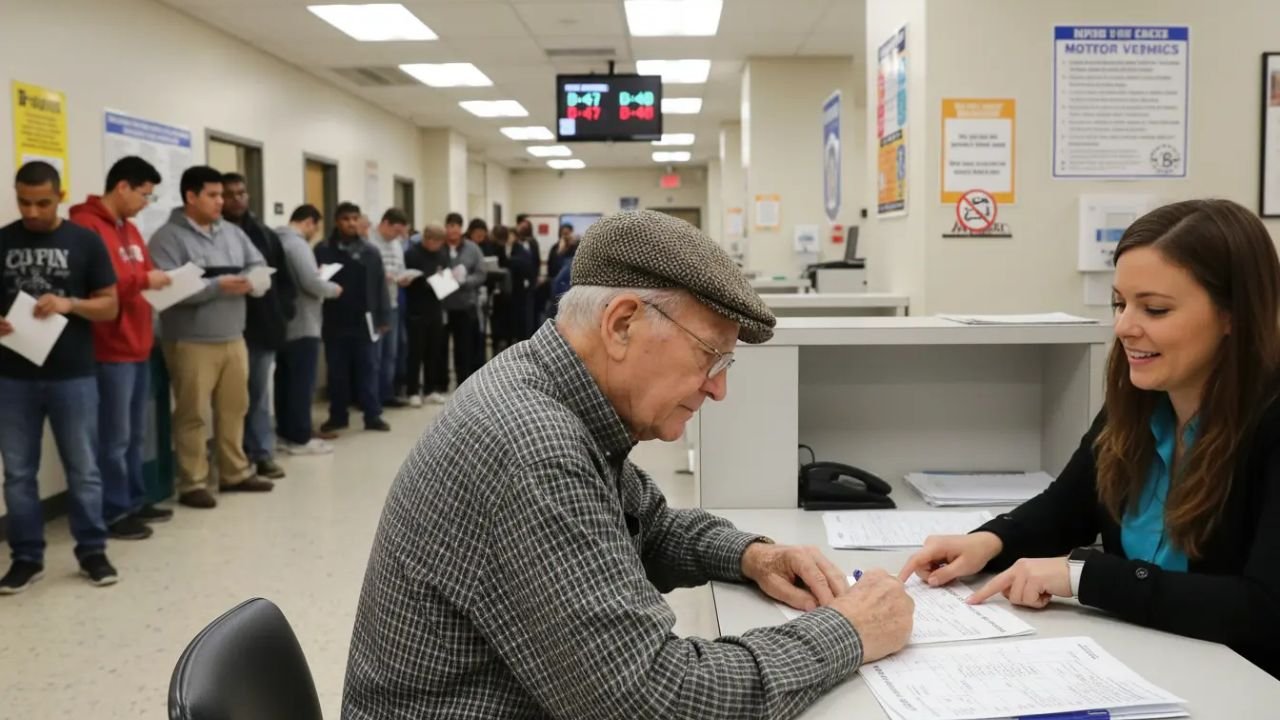
Starting January 1, 2026, new U.S. traffic regulations affect drivers aged 70 and older. These changes focus on licensing, health screenings, and vehicle safety technology to improve road safety and ensure compliance. Here’s what every senior driver should know and how to prepare.
Key Changes for Drivers Over 70
The updates vary by state but share common themes:
- Vision and cognitive screening: Required at renewal for many drivers over 70.
- License renewal adjustments: Shorter intervals, typically every 3 years, and stricter documentation.
- Vehicle safety technology: Familiarity with lane-keeping assist, blind-spot alerts, and automatic braking is encouraged.
Vision and Cognitive Screening
- States require in-person vision tests at renewal for seniors.
- Some states include brief cognitive assessments or questionnaires.
- If issues are detected, drivers may be referred for a medical evaluation, restricted license, or road test.
License Renewal Requirements
- Renewal intervals may shorten for seniors over 70.
- Electronic renewals are allowed but often require a recent vision test or medical form.
- Bring all required documents, including government ID, proof of residency, and medical or vision forms.
Vehicle Technology Awareness
- Advanced Driver Assistance Systems (ADAS) may be mandatory for some vehicles.
- Seniors should practice using lane assist, automatic braking, and blind-spot monitoring before driving on busy roads.
Steps Seniors Should Take
- Check your state DMV rules for renewal deadlines and screening requirements.
- Schedule vision and cognitive tests early to avoid last-minute issues.
- Update medical documentation for conditions affecting driving.
- Learn ADAS features in your vehicle or practice in a safe area.
- Keep digital copies of all medical or vision forms for DMV uploads.
If a Screening Flags a Concern
- Temporary or restricted licenses may be issued (e.g., daylight driving only).
- Referral to specialists for vision or cognitive therapy may be required.
- Functional road tests can be conducted by DMV examiners or certified driving rehab specialists.
Practical Tips for Safe Driving
- Schedule annual eye exams and update prescriptions.
- Monitor medications that may impair driving.
- Take senior driving refresher courses to stay confident with new technology.
- Use navigation apps with voice guidance and set them up before driving.
Real-World Example
John, age 72, checked his state DMV requirements two months before renewal. He completed a vision test, updated his prescription, and attended a senior driving refresher course to learn lane assist features. He successfully renewed his license for three years without any issues.
FAQs
Q1: Do all states require cognitive screening for seniors?
A1: No, rules vary. Check your state DMV website for exact requirements.
Q2: How often must drivers over 70 renew their licenses?
A2: Many states shorten renewal to every 3 years, but intervals can vary.
Q3: Is ADAS mandatory for all drivers?
A3: Not for all vehicles, but familiarity is encouraged, and some state programs may require it.
Q4: What if I fail a vision or cognitive test?
A4: You may receive a restricted license, be referred for a medical review, or take a road test.
Q5: Can family members help with renewal preparation?
A5: Yes, they can track deadlines, help with documentation, and discuss driving concerns.
Final Checklist for Drivers Over 70
- Verify state-specific rules for 2026.
- Schedule vision and cognitive screenings early.
- Keep digital and physical copies of medical documentation.
- Practice with ADAS features or take a refresher course.
- Discuss driving plans with family and plan alternatives if needed.
Following these steps ensures compliance with the new 2026 traffic rules and helps seniors stay safe on the road.